Slice
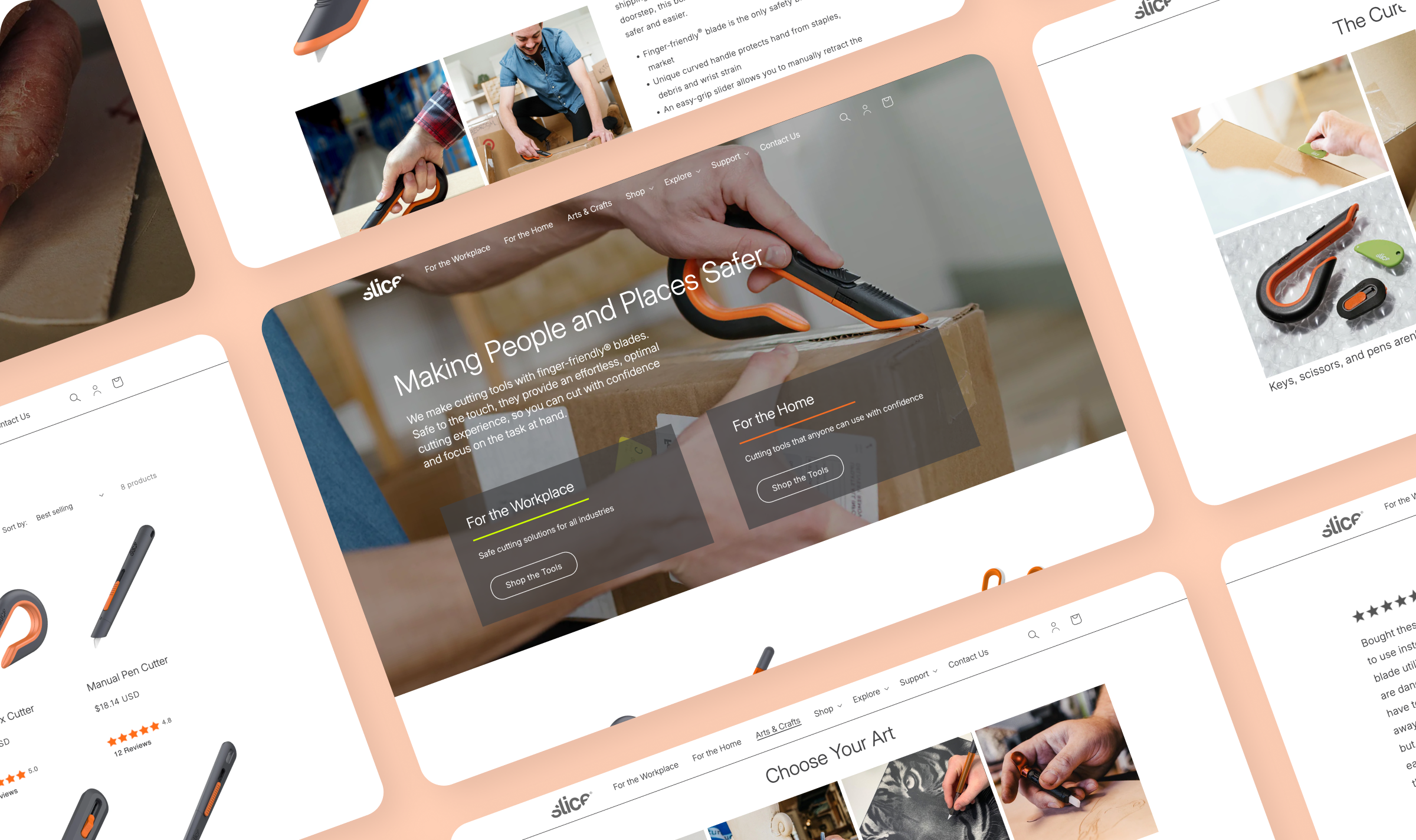
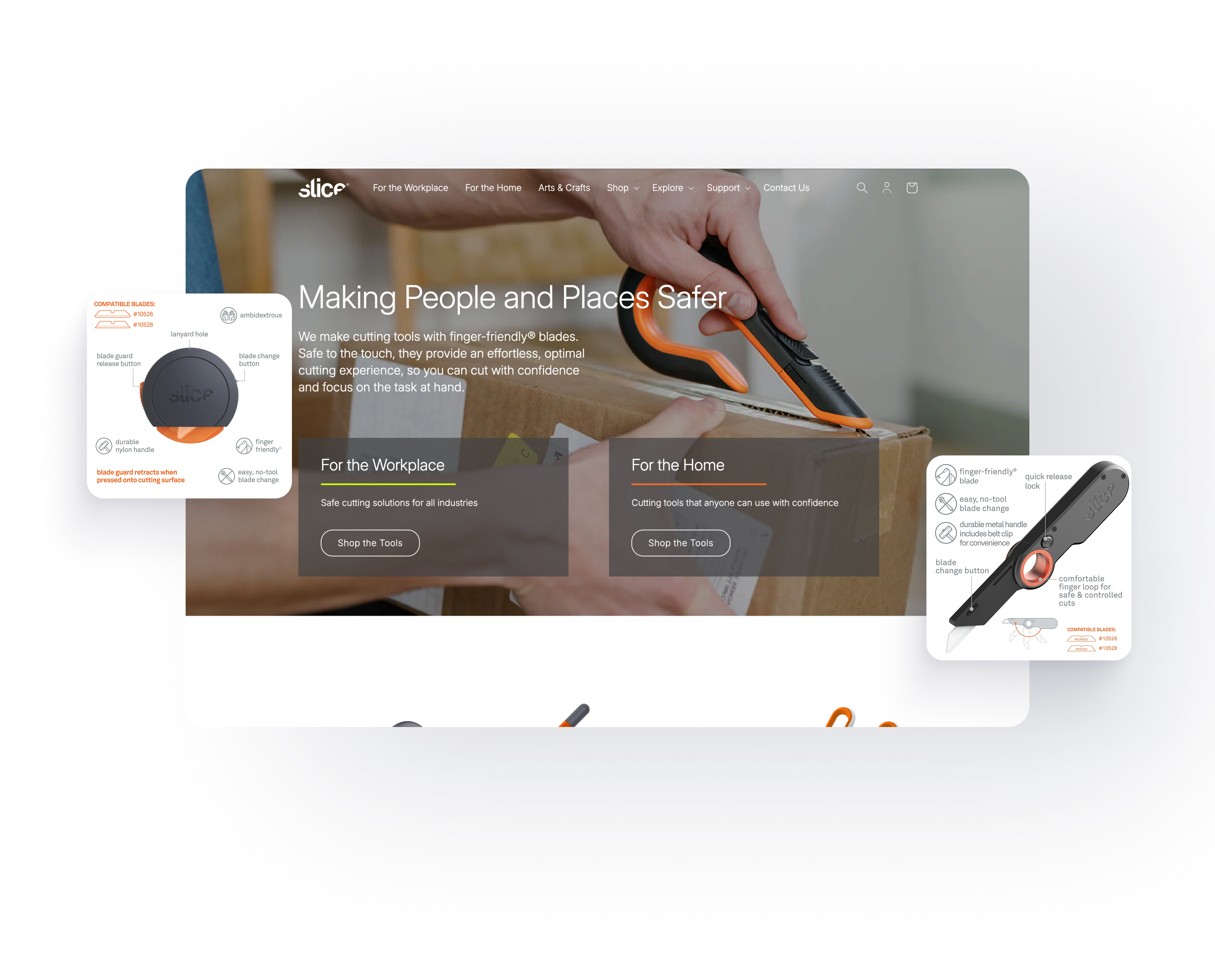
eCommerce platform for a tool brand
About the client
Slice is an American brand of safe knives and cutters with unique ceramic blades.
Their products are used at enterprises worldwide: from Tesla and Disney to small workshops and production facilities. Slice produces tools for three key segments - work, home, and creativity. Main focus: ergonomics and injury reduction. The brand actively works with both retail customers and corporate clients, including large companies and distributors.


Task
Create a convenient and reliable eCommerce website to showcase the brand's products, improve user experience, and maintain stable sales in B2C and B2B segments.
It was important to ensure correct product assortment handling, automate inventory updates, simplify navigation, and integrate payment and logistics services for international delivery.
Client's problems
Inconsistent order processing reduced operational efficiency
Using different accounting systems in each region (Brightpearl, NetSuite, and local solutions) complicated centralized order management. This caused delays in warehouse distribution, increased team workload, and created logistics risks—especially during volume growth.
Lack of SEO optimization limited traffic growth
The previous website version didn't meet basic search engine optimization requirements. As a result, the brand missed potential customers from organic search and relied mainly on paid traffic, increasing acquisition costs.
Insufficient analytics hindered sales funnel management
Without tracking user behavior on the website, the marketing team couldn't identify bottlenecks or make informed decisions. This limited advertising campaign effectiveness and hindered planning improvements based on real data.
Lack of multilingual and currency support hindered sales
The website wasn't adapted for audiences outside the US: customers couldn't choose their preferred language or see prices in their currency. This reduced platform trust, increased abandoned carts, and hindered global market expansion.
Challenges
we faced
Working on a live product with limited resources
The service was launched and used daily—every minute of downtime could lead to data and lead loss. All changes had to be implemented carefully, gradually, and without system stoppage. This complicated any edits and required flawless preparation.
Legacy code and non-obvious dependencies
The platform was already actively used by the business: sales were ongoing, leads came daily. Yet resources were limited while reliability requirements were high. Every release had to be implemented carefully without system stoppage to avoid downtime or data loss.
Integrations with external services
— with no room for error
All contact data had to accurately reach CRM and other systems. Integration failure meant lost customers. This imposed high requirements for code quality, data processing logic, and robustness of all exchange points.

Solution
Integrated the website with accounting systems across different regions
Set up data exchange between the eCommerce platform and client's internal systems: Brightpearl, NetSuite, and local ERP solutions used in different countries. This automated order collection, synchronized statuses, and created a unified point for accounting and reporting, freeing the team from manual data aggregation from multiple sources.
Added multilingual and currency support
Implemented a system detecting user language and currency by geolocation or browser settings. The website now automatically displays relevant content for each audience—eliminating purchase barriers and simplifying entry into international markets without creating separate websites per region.
Configured SEO optimization
Updated page structure, configured correct meta tags, ensured HTML validity, and accelerated loading—all within technical website preparation for SEO promotion. These improvements enhanced store visibility in search engines and prepared ground for further organic traffic growth.
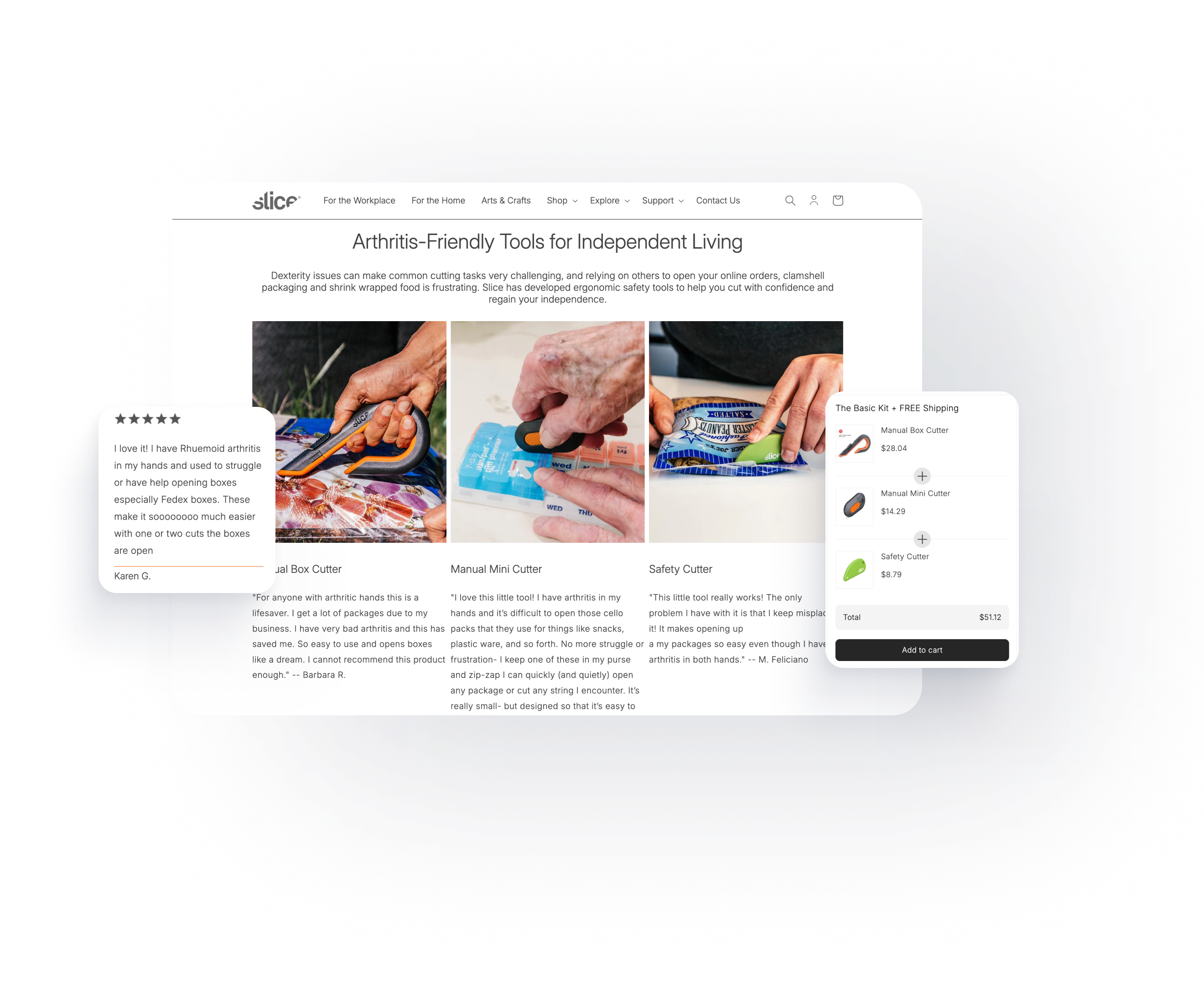
Integrated advanced analytics
Implemented Google Enhanced Analytics to track key user actions: page views, product card interactions, cart additions, and purchases. The marketing team gained access to sales funnel, segmented data, and channel performance reports—all in one interface.
Optimized page loading speed
Worked on frontend acceleration: minimized resources, revised content loading order, and eliminated performance bottlenecks. This significantly improved website response speed, especially with international access, and reduced support requests related to technical failures or delays.
Result
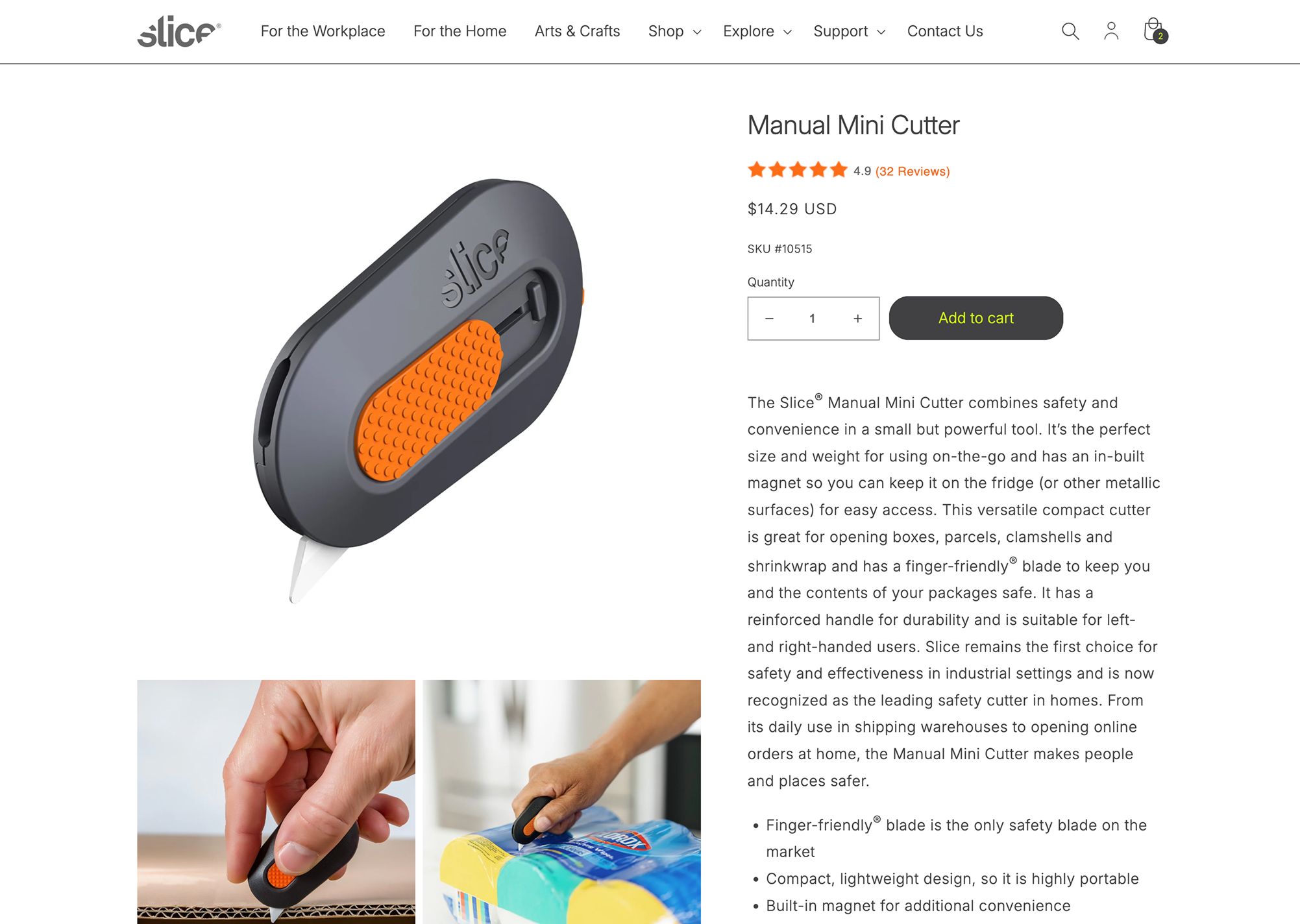
The website transformed into a powerful sales tool: orders can now be managed centrally, marketing relies on accurate analytics, and customers worldwide receive personalized experience—in their language and preferred currency. Sales increased, operational costs decreased.